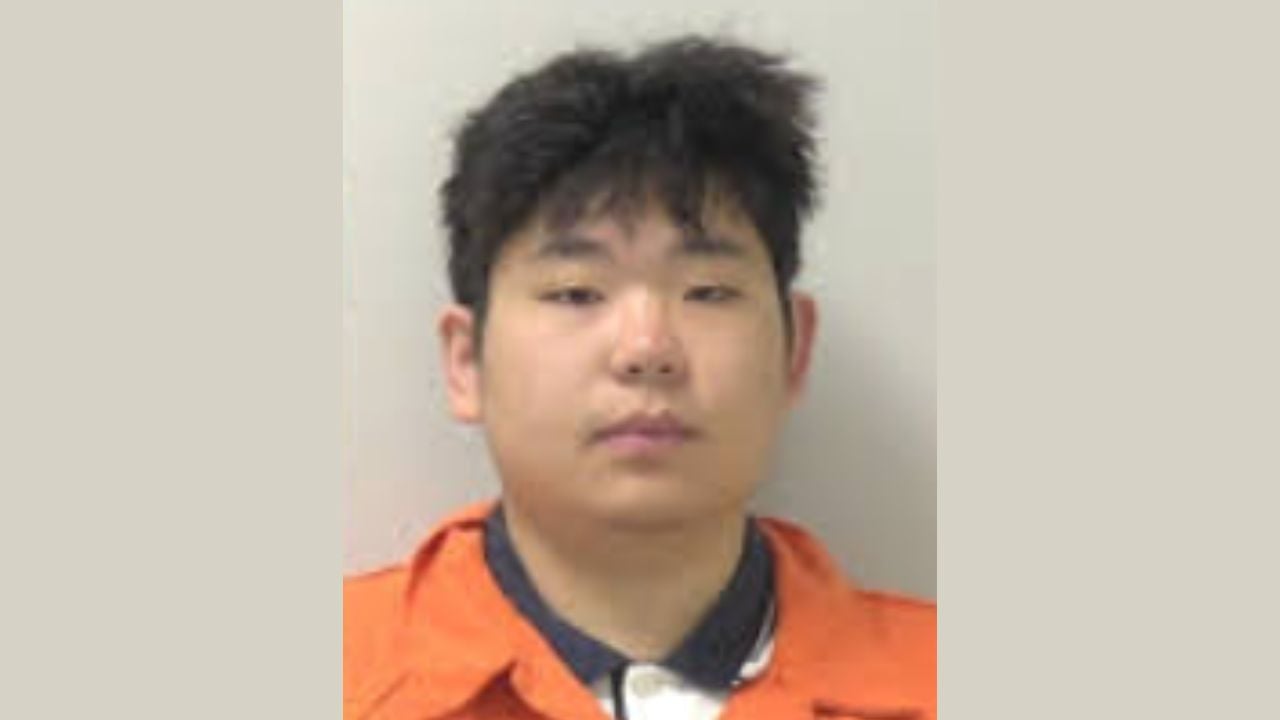

The owner of San Antonio’s Commonwealth Coffeehouse has been indicted in a federal fraud case involving an alleged fake state-agency lease and a multimillion-dollar commercial building deal.
KSAT Investigates reported that Jorge Ernesto Campos Herrero faces one count of bank fraud and one count of aggravated identity theft after federal court records were unsealed Tuesday.
Herrero is accused of fraudulently obtaining approximately $2,120,000 from a victim company while trying to purchase a commercial building in Grand Prairie, Texas, according to the outlet’s summary of the indictment.
The charges are allegations. Herrero has not been convicted.
Indictment Says A Texas Facilities Commission Lease Was Used In The Deal
According to KSAT, Herrero had applied for a multimillion-dollar loan in the name of one of his companies, Immobiliaria Herrero.
The indictment said Herrero provided the victim company with a lease agreement in July 2021 between Herrero Properties and the Texas Facilities Commission. Herrero Properties was identified in court documents as another company he controlled as its sole member.
Herrero also allegedly represented verbally and in writing that he had secured a 10-year lease with the Texas Facilities Commission for the Grand Prairie property, KSAT reported.
The victim company later found problems with that claim. Court documents said the company became aware that the Texas Facilities Commission did not occupy the building after walking through the property and speaking with tenants.
The Victim Company Later Foreclosed On The Property
KSAT reported that the victim company later foreclosed on the property in early November 2024 at a loss of more than $1 million.
According to the indictment summary, the Texas Facilities Commission’s director of state leasing services confirmed that the documents were fraudulent. Court documents said neither the Texas Attorney General’s Office nor any TFC agency ever leased the Grand Prairie property.
Herrero is also accused of forging the victim’s signature without the victim’s knowledge or consent on TFC letterhead, according to KSAT’s report on the indictment. The document allegedly represented that Herrero had secured the lease with the Texas Facilities Commission.
The indictment said Herrero “did unlawfully and knowingly devise and execute a scheme to defraud” the victim company, according to KSAT.
The Federal Charges Carry Heavy Maximum Penalties
Federal bank fraud law covers schemes to defraud a financial institution or obtain money, funds, credits, assets, securities, or other property under the custody or control of a financial institution through false or fraudulent pretenses, representations, or promises.
Under 18 U.S.C. § 1344, bank fraud can carry up to 30 years in prison and a fine of up to $1 million if convicted. The maximum penalty is not a prediction of the sentence in Herrero’s case.
The aggravated identity theft count carries its own risk. Under 18 U.S.C. § 1028A, a person convicted of knowingly using another person’s means of identification without lawful authority during certain felony offenses faces a mandatory two-year prison term in addition to the punishment for the underlying felony.
Earlier Civil Disputes Had Followed Herrero’s Real Estate Deals
The indictment follows earlier civil reporting about Herrero’s real estate activity. The Real Deal reported in August 2025 that Luigi Massa won a $1.3 million default judgment against Herrero in a separate dispute involving an office-building transaction in Lufkin.
That civil case was separate from the federal indictment described by KSAT. The Real Deal reported that Massa accused Herrero of negligence and breach of contract over a 2022 office-building deal, and that a Bexar County judge found Herrero had failed to disclose that he also represented the seller in the transaction.
The Real Deal also reported that Vantage Bank had won a $1 million judgment tied to an unpaid loan balance for a Grand Prairie office acquisition. KSAT’s new report says the federal indictment concerns an alleged scheme involving the attempted purchase of a commercial building in Grand Prairie.
A Long-Term Government Lease Can Change A Building Deal
The allegation in this case centers on a document that would matter to a lender, buyer, or investor: a long-term tenant lease.
Commercial property values often depend on who occupies the building, how long the tenant is committed to stay, and how much rent the tenant is expected to pay. A long-term government-agency lease can make a property appear safer and more valuable than it would look without that tenant.
The Texas Facilities Commission says its State Leasing Services program procures leased facilities for the operational needs of state agencies, conducts site visits, handles lease issues, and manages lease agreements.
For a government-tenant property, buyers and lenders should verify the lease through the agency’s official leasing office, not through a PDF, letterhead, broker packet, or borrower-supplied contact alone.
What Buyers And Lenders Should Verify Before Closing
Before relying on a lease in a commercial real estate deal, buyers, lenders, and investors should verify the tenant, lease term, rent amount, authorized signers, amendments, occupancy, payment history, and any early-termination rights.
For government leases, verification should go through an official agency phone number, procurement office, leasing office, or public contract channel. A walkthrough of the property can also confirm whether the named tenant actually occupies the space.
Deal files should keep written confirmation, email chains, rent rolls, estoppel certificates, closing documents, title records, wire records, and the contact information used for verification. If a document appears forged, the parties should preserve the full file and contact counsel, the lender’s fraud department, and law enforcement.