Hollywood got bigger. Your wallet could be next.
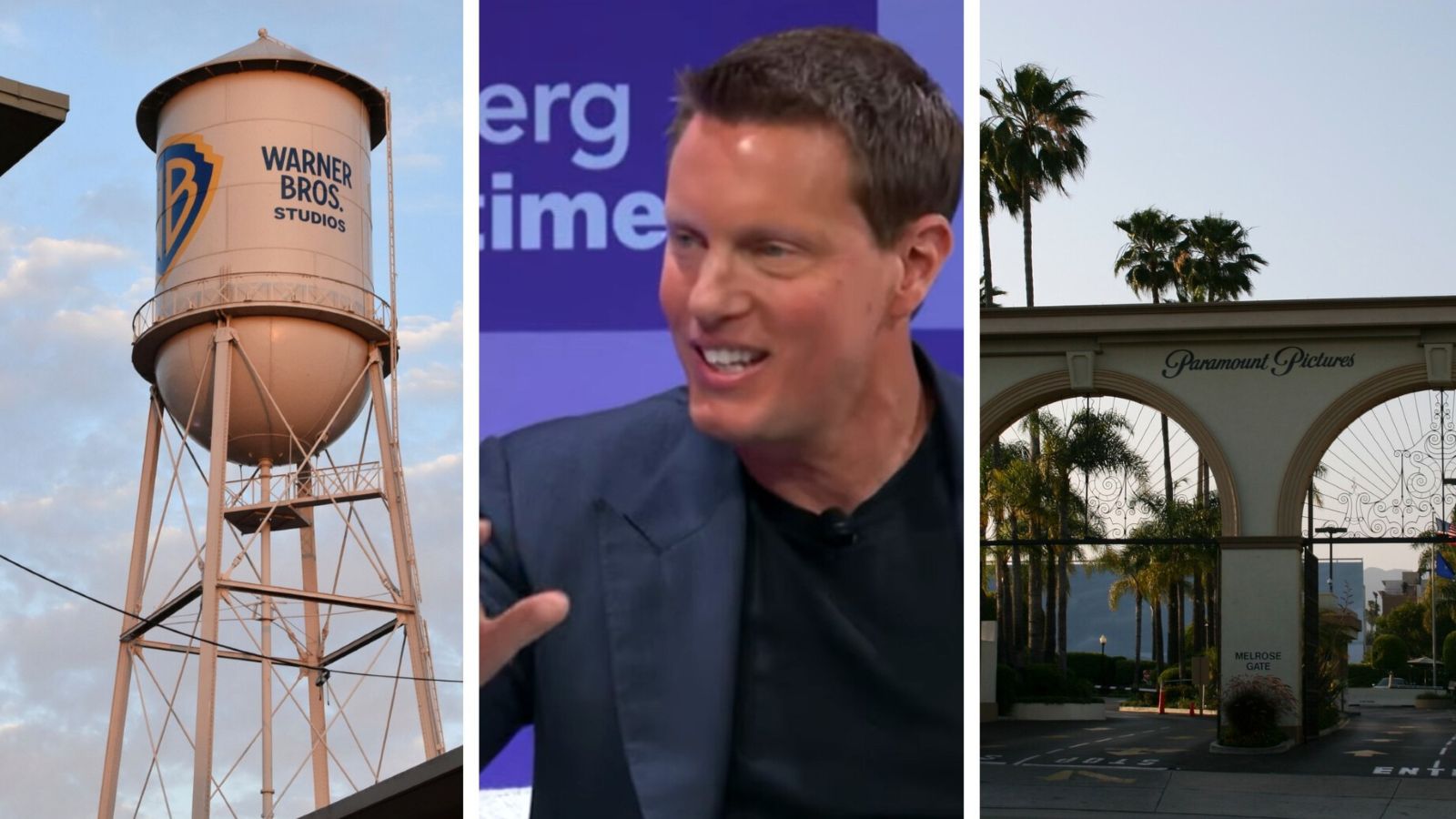
Netflix blinked first. On Thursday, the streaming giant declined to match the terms of its earlier agreement to buy Warner Bros. Discovery’s studio and streaming assets, clearing the way for David Ellison’s Paramount Skydance to come in at $31 a share. By Friday morning, the new deal was signed. $110 billion. Now it heads to regulators.
If it closes, one company would control CBS and Paramount+, the Warner Bros. film and TV machine, HBO and HBO Max, CNN, and Discovery’s unscripted empire. Batman sits next to SpongeBob. Game of Thrones is in the same corporate hallway as Mission: Impossible and Star Trek.
And the man who put it all together is David Ellison, the son of Oracle founder Larry Ellison. That’s why this merger arrives with political scrutiny on top of the antitrust fight.
Senator Elizabeth Warren didn’t wait to weigh in. “A handful of Trump-aligned billionaires are trying to seize control of what you watch,” she said, “and charge you whatever price they want.”
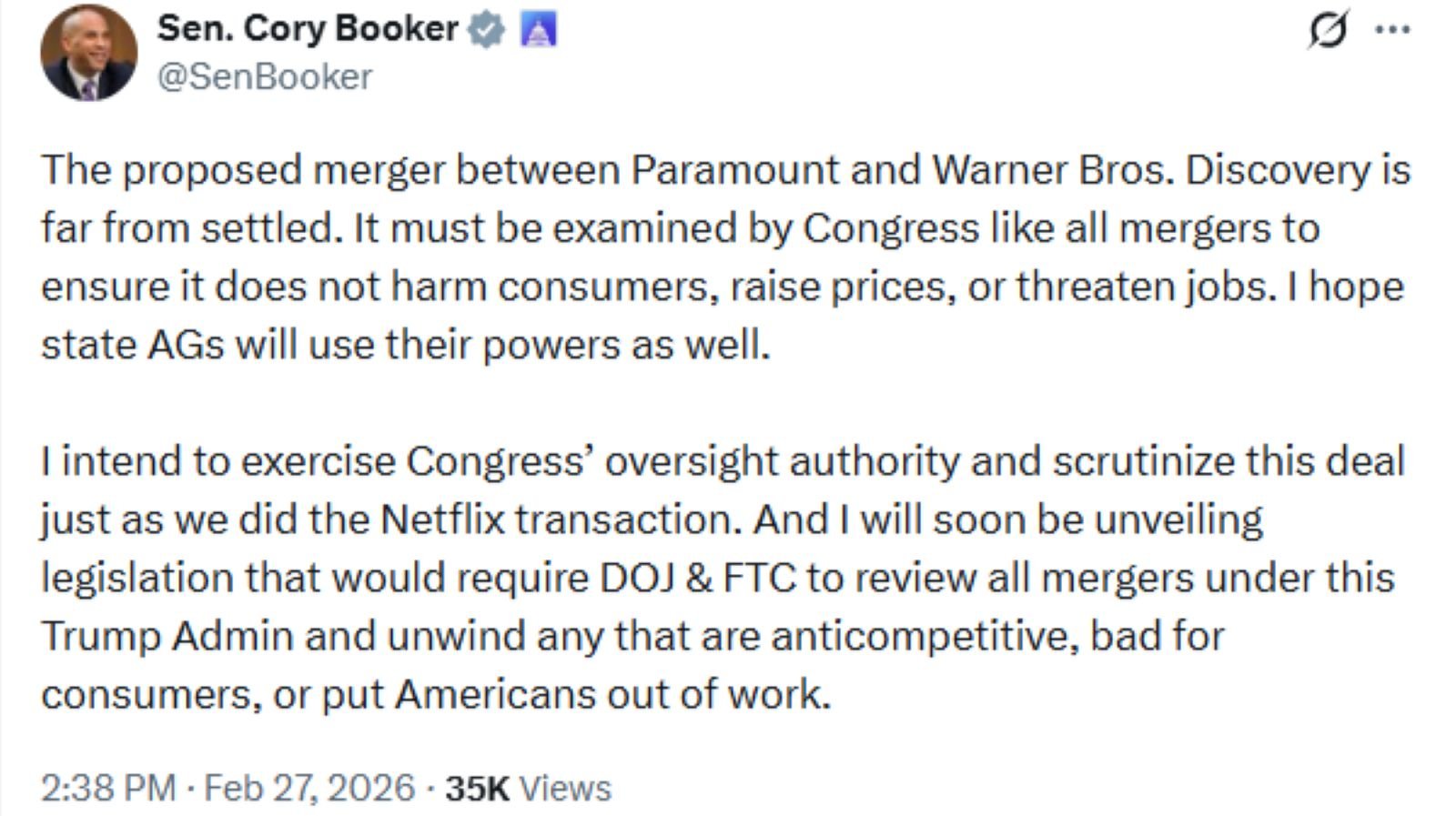
This is a signed deal, not a finished deal. It still needs federal antitrust approval, international clearances, and WBD shareholder approval, with a vote expected in early spring 2026. California Attorney General Rob Bonta has also said the state will conduct a vigorous review. But if it closes, here are the three fights that actually matter.
Your Subscription Bill Is the First Casualty
The sales pitch will sound consumer-friendly: one ecosystem, fewer logins, smoother bundles. Translation. The price architecture is about to be reworked.
The best case is a real discount bundle where HBO and Paramount+ coexist as separate apps at a price that makes sense. Worst case is the classic consolidation move: collapse the products into a new package, keep prices manageable until the churn settles and the catalog is too big to walk away from, then raise them.
There’s also a quieter version of pain. Content reshuffles. When mergers happen, titles jump, tabs move, and the show you thought was here becomes over there. Bundling deals change what’s included, what’s behind an upsell, and what suddenly has ads.
The combined company has projected more than $6 billion in cost savings. Cost savings don’t come from magic. They come from layoffs and fewer shows. When one company controls more of what you watch, it rarely competes by lowering your bill. It competes by making it harder to leave.
The Franchise Cage Match Nobody Is Talking About
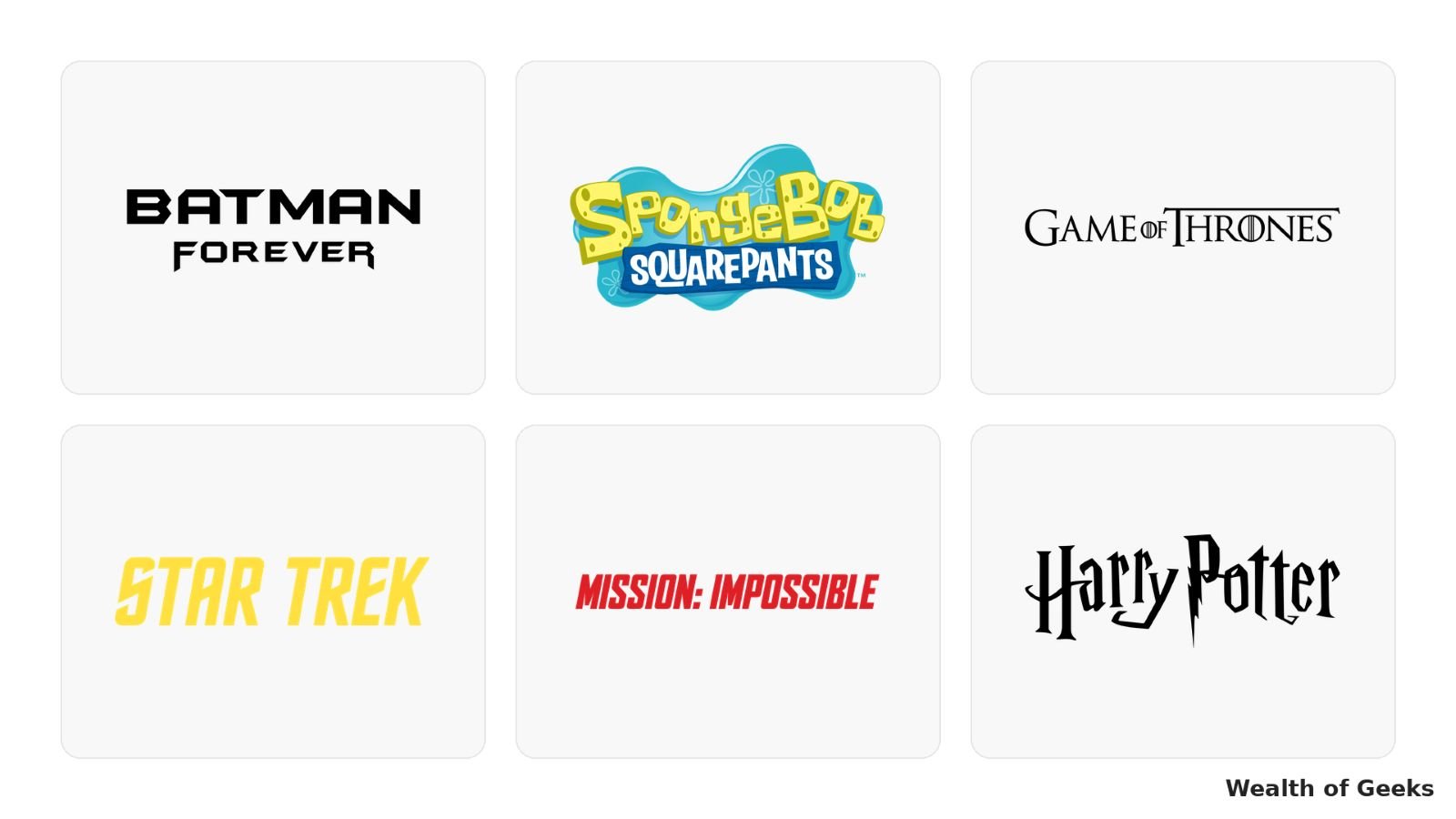
This isn’t just a library grab. It’s a power grab over the franchises that still cut through the algorithm.
Put the IP on the table, and you can already see the internal knife fight forming. DC and Harry Potter next to Star Trek and Mission: Impossible. HBO’s prestige identity beside Discovery’s volume machine. CNN and CBS News shoved into the same corporate mandate for “efficiency.”
The first thing that gets squeezed in mergers isn’t the tentpole. It’s the mid-budget series, the niche genre show, the one-season experiment that becomes a sleeper hit in year two. In a combined company, the temptation is to pour more money into known universes and call everything else non-core.
Executives say they’re protecting creativity. Investors hear “fewer misses.” Viewers feel it as sameness.
The Jobs Fight and the Political Wildcard
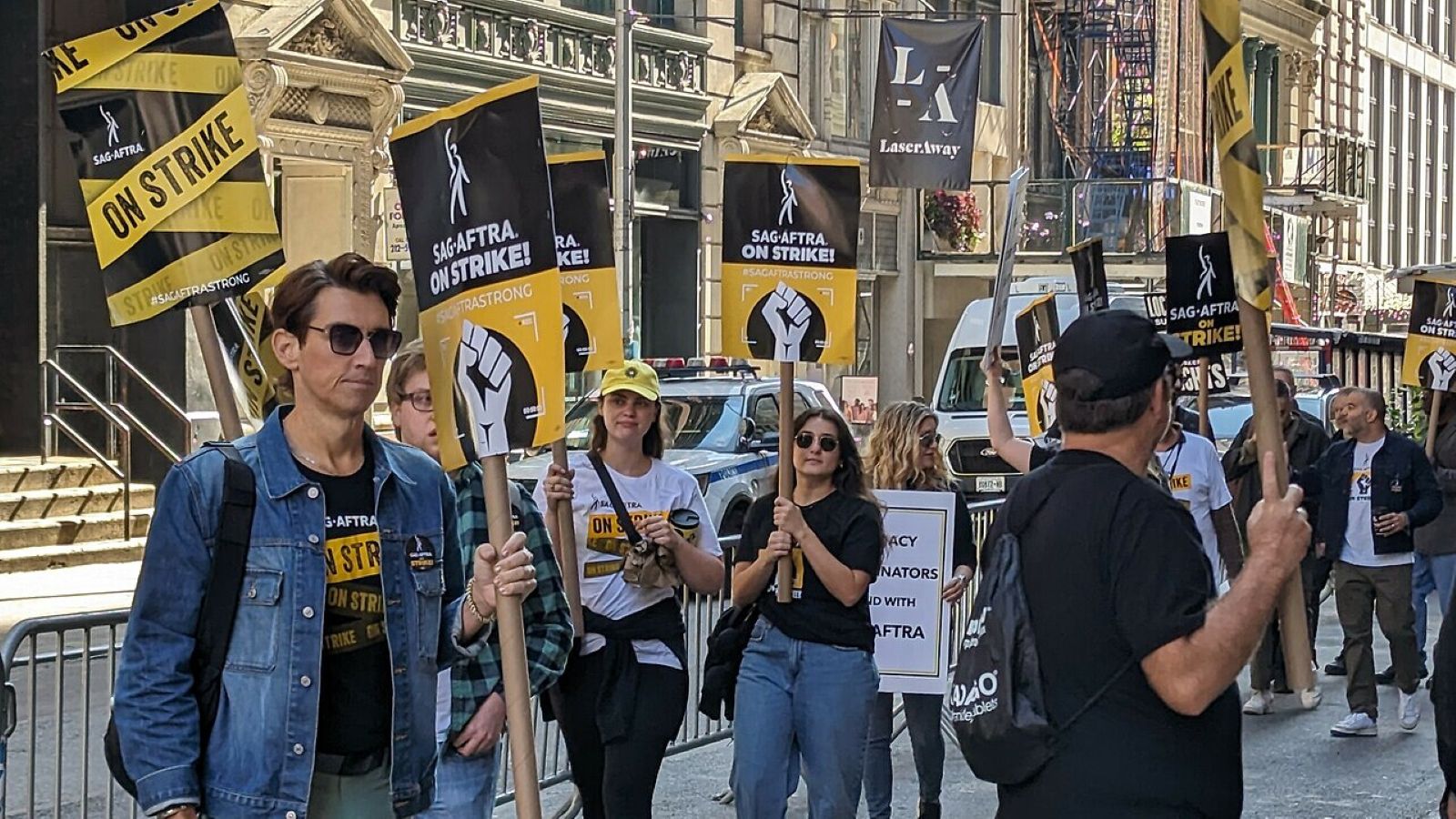
The loudest conflict is not about apps. It’s about people’s paychecks, and about who gets to decide what happens to them.
California is already positioning itself as a major obstacle. Attorney General Bonta has made clear his office isn’t treating this as a formality. The merger’s own cost projections imply significant job cuts.
Then there’s the political variable. Trump publicly weighed in on the earlier Netflix-WBD proposal, at one point saying he would be involved before later saying the Justice Department should handle it. Critics like Warren are framing this merger as a test of whether antitrust enforcement stays insulated from politics.
Netflix’s exit sharpened all of this. When the biggest streaming company in the world looks at a deal and decides it’s a nice-to-have, not a must-have, that tells you something about what the numbers look like underneath the press release.

The Question Hollywood Hopes You Don’t Ask
The combined company will be sold as a creativity engine, a consumer win, a global competitor that finally has the scale to take on the streamers. Watch for the word “bundling.” Watch for “simplification.” Watch for “cost discipline.” Each one is a signal.
The bigger question is the one the industry keeps trying to dodge: Is Hollywood shrinking into something that no longer has to compete for your money because it owns too much of what you want to watch?
And if this deal ends up placing CBS News, CNN, HBO, and half the franchises your kids love under one corporate roof, would you even know who to complain to?