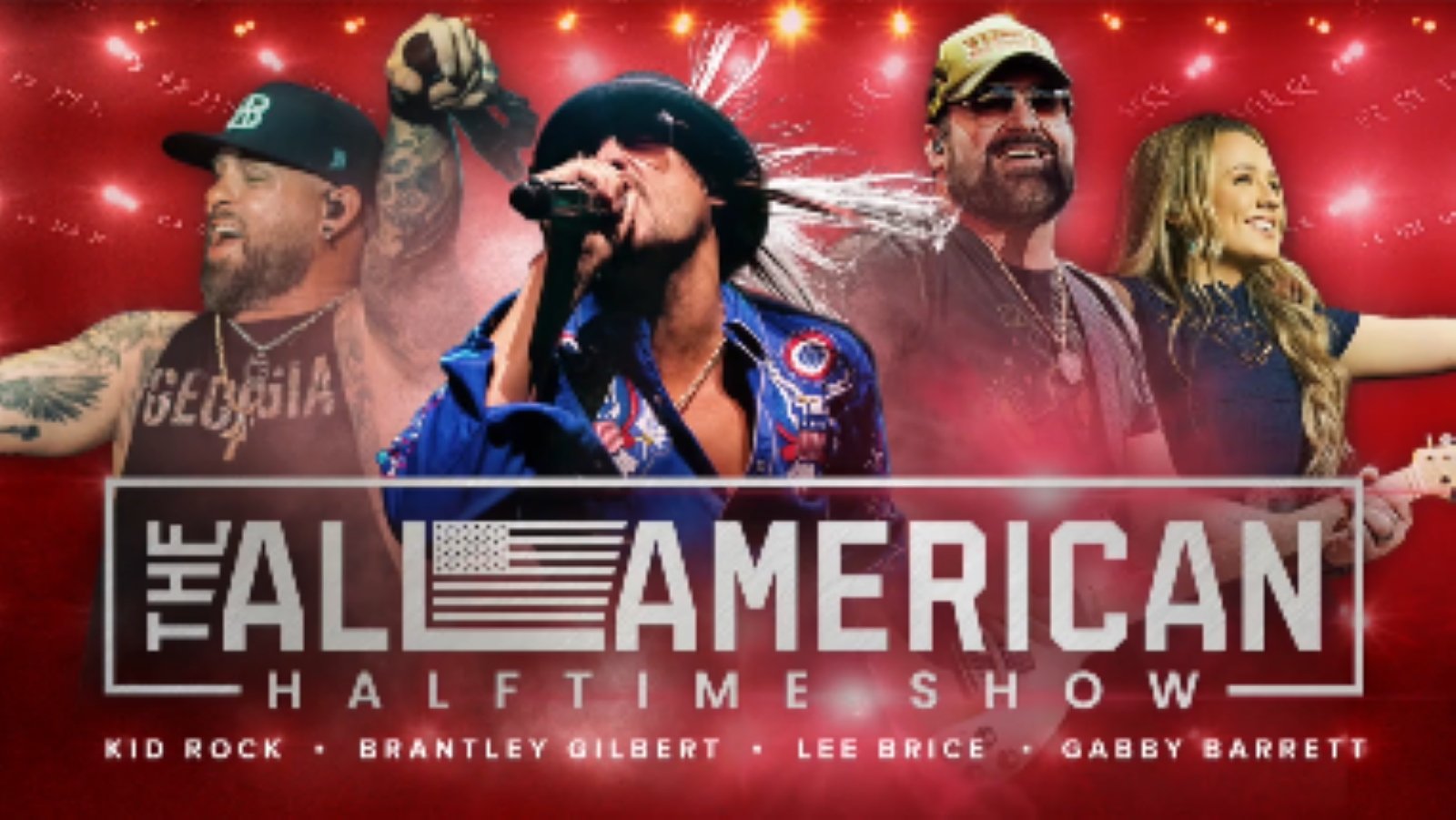
Country music spent the last few years trying to prove it wasn’t a gated community. Then Lee Brice, Gabby Barrett, and Brantley Gilbert showed up with the keys to lock the gates.
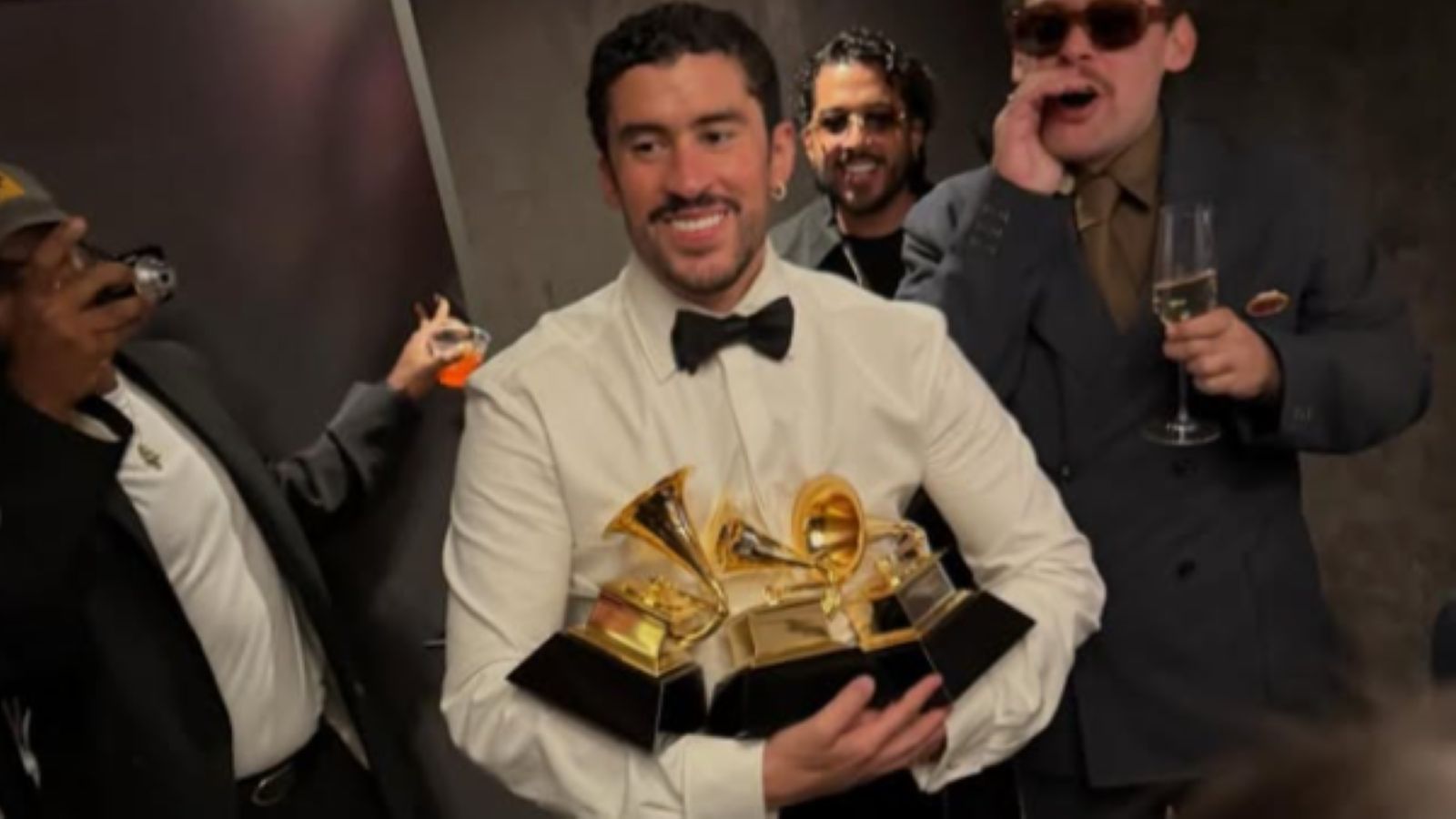
Tonight, while Bad Bunny headlines the official Super Bowl LX halftime show, Brice, Barrett, and Gilbert are booked for Turning Point USA’s “All-American Halftime Show”. The event is being promoted as a patriotic alternative running opposite the NFL’s production. For a genre that keeps saying it’s for everyone, this is the kind of headline that does the opposite. And it lands like a message, even if they deny it.
The “All-American” Label as a Weapon
TPUSA’s branding is the whole argument. “All-American” is not a neutral descriptor. It’s a contrast. It implies the other show is less than.
TPUSA has denied it’s trying to start a culture war, with a spokesperson saying the group has “no agenda other than faith, family, freedom”. The problem is that the marketing does the dividing for them.
Beverly Keel, dean of Middle Tennessee State University’s Media and Entertainment department, framed the subtext plainly when she described it as “the white alternative” to an American artist of Puerto Rican descent. That’s a brutal read. It’s also why this booking lands like a signal, not a gig.
The Fans Country Music Just Told To Leave
Country has been actively courting younger and more diverse listeners, and Latino country artists have been pushing for space inside a genre that still treats representation like a special occasion.
When three mainstream country names attach themselves to a “real America” alternative happening opposite a Spanish-language superstar on the biggest stage in U.S. entertainment, Latino listeners are not “overreacting” by hearing a message about belonging. The entire point of the branding is to communicate who it’s for.
How long do you keep showing up for a genre that keeps showing you where you rank?
Nashville’s Quiet Panic
This is the nightmare scenario for an industry trying to scale beyond its traditional base. Country’s growth story has been crossovers, festival expansion, and younger fans discovering the genre through social platforms and big pop-culture moments. That growth depends on optics. Not vibes. Optics.
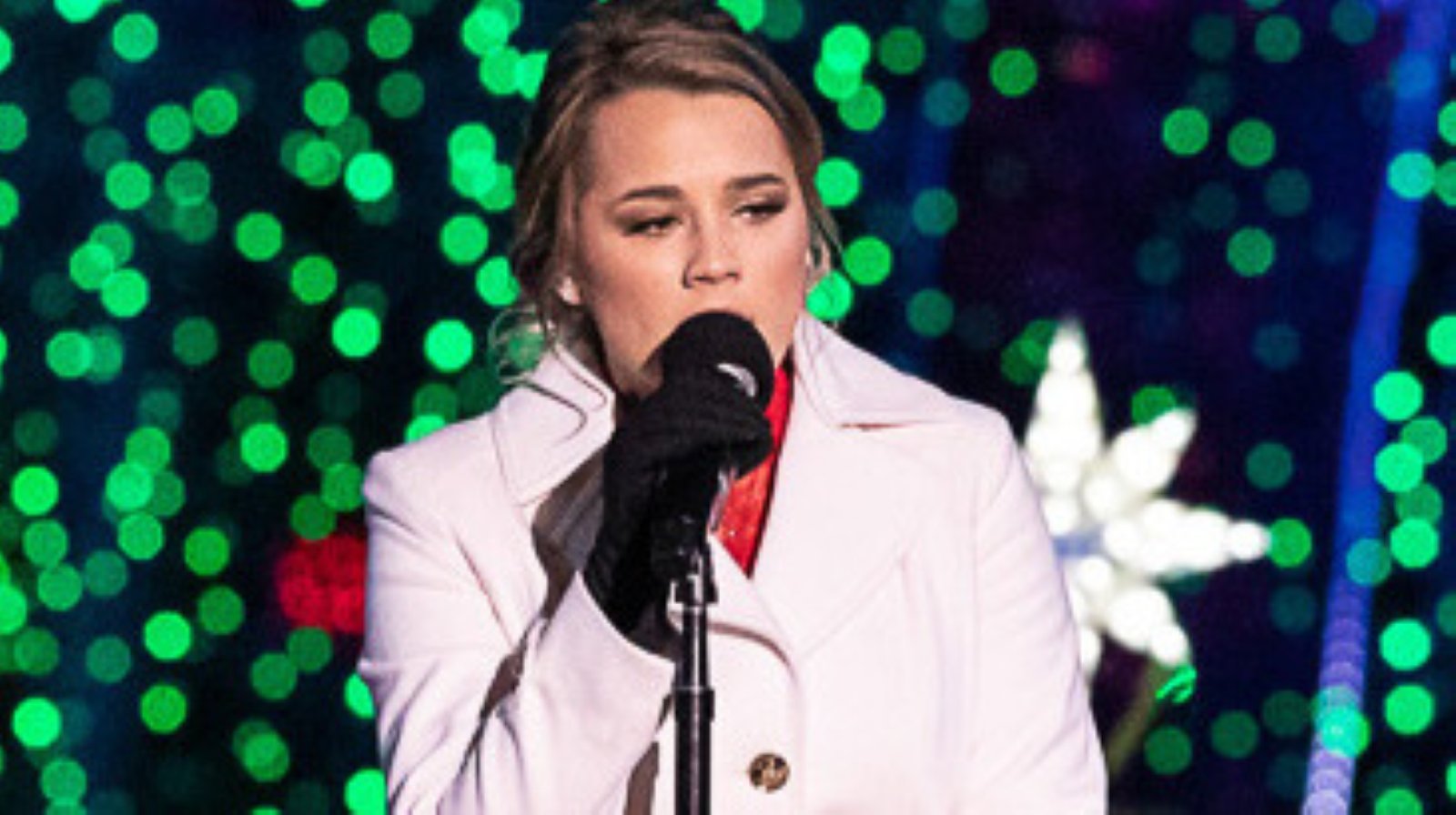
Gabby Barrett is the cleanest example of why this stings. She’s been positioned as modern country’s bridge: mainstream-friendly, pop-adjacent, built for wider rooms. Now she’s attached to an event that reads like “Nashville versus the outside world.” That is a brand box, not a brand extension.
The Career Math That Doesn’t Add Up
Here’s the bet these artists made. Their core audience will reward them more than a broader audience will punish them.
They might be right in the short term. Country radio does what it does. Culture-war media loves a conversion story.
But they’ve also made the ceiling lower.
Crossover collaborations get harder to justify. Festival bookings in diverse markets get more complicated. Brand partnerships get riskier. And the audience growth country keeps signaling it wants. That becomes harder when your genre’s headline moment is “we built an alternative because the main show doesn’t feel like us.”
Barrett has the talent and the platform to be bigger than this. Now she’s one of the faces of the alternative. That’s not a growth move. That’s a shrink move.
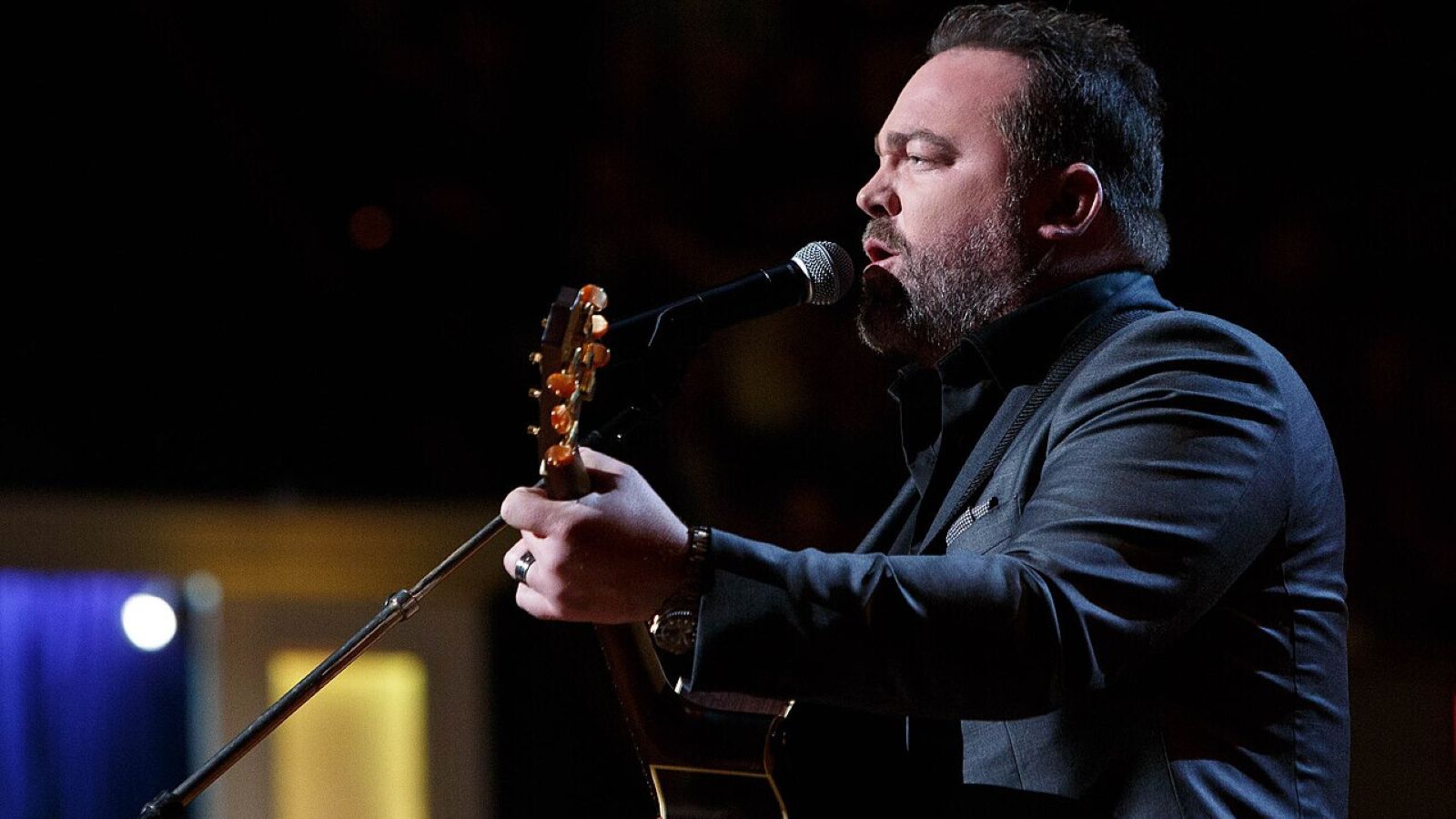
Lee Brice has already tried to make the case that his decision “has nothing to do” with who is playing the official halftime show, and that he just got asked to do this one.
That defense helps with intent. It does not fix the positioning.
Not Canceled. Just Smaller
The lazy rebuttal is “cancel culture.”
Wrong question. Nobody is arguing they should be banned from performing. The point is simpler. If you attach yourself to a partisan alternative built in reaction to the main show, you should expect to inherit the reaction.
That is not cancellation. That is consequences. That is market reality.
The Price of Choosing Sides
Kid Rock doing this makes sense. His brand is built for this exact fight.
But Brice, Barrett, and Gilbert have more to lose because their ceiling depends on growth, not grievance.
Super Bowl halftime is one of the biggest stages in pop culture. The official show reaches a gigantic mainstream audience. The alternative show, by definition, does not.
Country music will move forward either way. The question is whether these artists move forward with it, or whether they just made themselves shorthand for the very stereotype the genre keeps insisting it is leaving behind.